Understanding Fraud Fraud happens when someone intentionally lies or hides important information to cause a person or organization to lose money or property. In simple terms: if someone deceives another to take money or assets, it’s fraud.
There are two main types of fraud: personal fraud and organizational fraud. This page focuses on organizational fraud, which includes both internal and external fraud.
Internal Organizational Fraud This is sometimes called occupational fraud. Internal fraud occurs when someone inside the organization commits the wrongdoing.
Examples include:
Forgery
Falsifying accounting records
Misreporting leave or hours worked
Unauthorized changes to financial documents
Misuse of funds or other College assets
Improper financial transaction reporting
Destroying, removing, or using College property for personal gain
External Organizational Fraud External fraud comes from outside the organization. This includes cybersecurity threats and other financial schemes.
Examples include:
Forgery
Shoplifting
False vendor billing
Fake check or credit card payments
How the College Helps Prevent Fraud The College uses several safeguards to prevent and detect fraud.
Examples include:
Financial statement audits
Internal audits and reviews
Internal controls and separation of duties
Policies and procedures
Cash‑handling training
Help Prevent Fraud
While these methods help to prevent fraud, they will never be 100% effective at eliminating fraud occurrences. We also need methods of detection.
According to the Occupational Fraud 2022: A Report to the Nations by the Association of Certified Fraud Examiners, 42% of frauds were detected through tips, with more than half of all tips coming from employees. This means that as college staff, you are our most effective method of fraud detection.
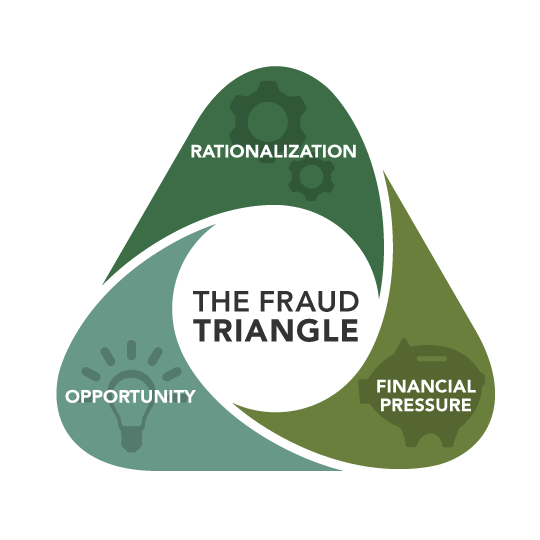
The fraud triangle is a model that shows the conditions that increase the likelihood of fraud being committed.
You can anonymously report fraud through our reporting hotline.